Everything you need to know about these ancient ocean creatures.
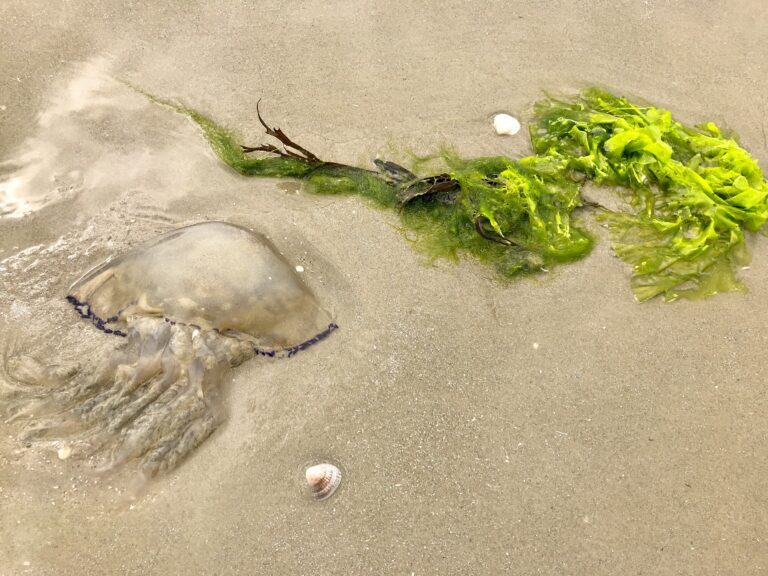
Jellyfish are among Earth’s oldest animals, having drifted in our oceans for over 500 million years—long before fish or dinosaurs existed. Despite their graceful, ghostly appearance, they are remarkably simple creatures: 98-99% of a jellyfish’s body is water, with only a tiny fraction made of organic material.
But don’t let their simplicity fool you. These animals are evolutionary masterpieces. In this guide, we’ll explore jellyfish anatomy, their complex life cycle, and how you can stay safe in the water.
Evolutionary History: Ancient Survivors
Jellyfish were the first multicellular animals on Earth. Before them, life consisted mainly of bacteria and single-celled organisms like amoebas. Around 500 million years ago, organisms began to evolve—and jellyfish were the pioneers.
DID YOU KNOW? Fossils of jellyfish found in the Utah desert are 500 million years old and look identical to the jellyfish swimming in today’s oceans. Unlike nearly every other species, jellyfish haven’t needed to evolve—their design was already perfect. — Dr. Amit Lotan, Marine Biologist
Why are jellyfish so successful? Their stinging mechanism is so effective that evolution couldn’t improve it. While blue whales evolved from land-dwelling ancestors in just 40 million years, jellyfish haven’t changed at all.
Jellyfish Anatomy: Built for the Ocean
The Simplest Complex Animal
Because they lack complex organs, jellyfish are incredibly resilient. A jellyfish’s body consists of four main parts:
-
Bell (umbrella): The dome-shaped top that pulses for movement.
-
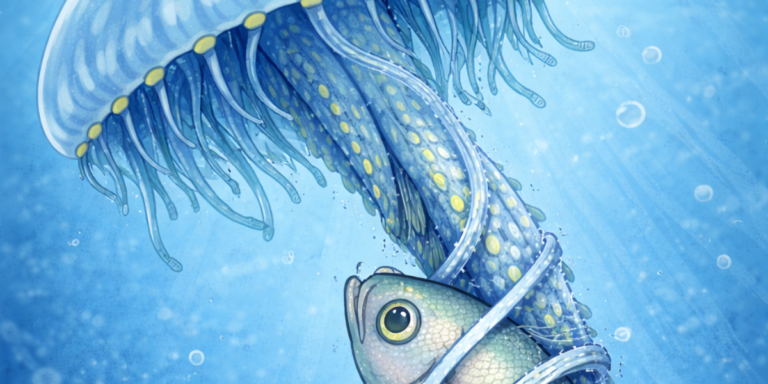
Tentacles: Armed with thousands of stinging cells (Nematocyte).
-
Oral arms: Located around the mouth for capturing food.
-
Water content: Being 98-99% water allows them to float effortlessly.
Comparison: Humans contain 30 times more organic material than jellyfish—which is exactly why we don’t float as easily as they do!
Do Jellyfish Have Brains?
No. Jellyfish do not have brains, hearts, bones, or blood. Instead, they possess a nerve net—a rudimentary nervous system that detects touch, light, and chemical changes in the water.
This simplicity is their superpower. With fewer organs to fail, they can survive in extreme conditions, from 4,000 meters below the surface to 1,600 meters beneath Arctic ice.
The Jellyfish Life Cycle: How They Reproduce
Jellyfish have one of the most fascinating reproductive cycles in the animal kingdom, involving both sexual and asexual phases.
1. Sexual Reproduction (The Medusa Stage)
Jellyfish have males and females. However, they do not mate directly.
-
Females release eggs into the ocean.
-
Males release sperm into the water.
-
Fertilization happens in the open sea.
-
This creates a Planula.
2. The Planula Stage (The Drifter)
The planula is a tiny larva, less than one millimeter long. It looks nothing like a jellyfish. Covered in microscopic swimming hairs (cilia), it drifts through the ocean searching for a solid surface, like a rock or reef, to call home.
3. The Polyp Stage (The Hidden Life)
Once the planula settles on the seafloor, it undergoes metamorphosis and becomes a polyp. This is a small, plant-like creature attached to the seabed.
DID YOU KNOW? Until about 100 years ago, scientists believed polyps and jellyfish were two completely different species because they look so distinct from one another.
Here is the shocking part: The polyp can clone itself through asexual reproduction. A single polyp can produce thousands of copies, creating massive colonies that carpet the ocean floor. This explains why jellyfish swarms (blooms) appear so suddenly—the polyps have been there all along, waiting for the right conditions.
4. Transformation to Medusa
When water conditions are right (typically in spring), the polyp colony undergoes another metamorphosis. Each polyp begins releasing tiny, free-swimming jellyfish (ephyra) into the water. Over several months, these grow into the adult jellyfish we recognize at the beach.
Why Jellyfish Populations Are Growing
You may have noticed more jellyfish at the beach recently. Research shows that global jellyfish populations have increased over the last 20-30 years.
Climate change and human activity have created ideal conditions for them:
-
Warmer water: Accelerates their growth cycle.
-
Overfishing: Removes natural predators (like tuna and turtles).
-
Pollution: Runoff provides nutrients that feed the plankton jellyfish eat.
-
Coastal Development: Piers and artificial reefs give polyps more places to attach.
Protecting Yourself: The Science of Safe Sea
Understanding jellyfish biology isn’t just academic—it’s the key to beach safety.
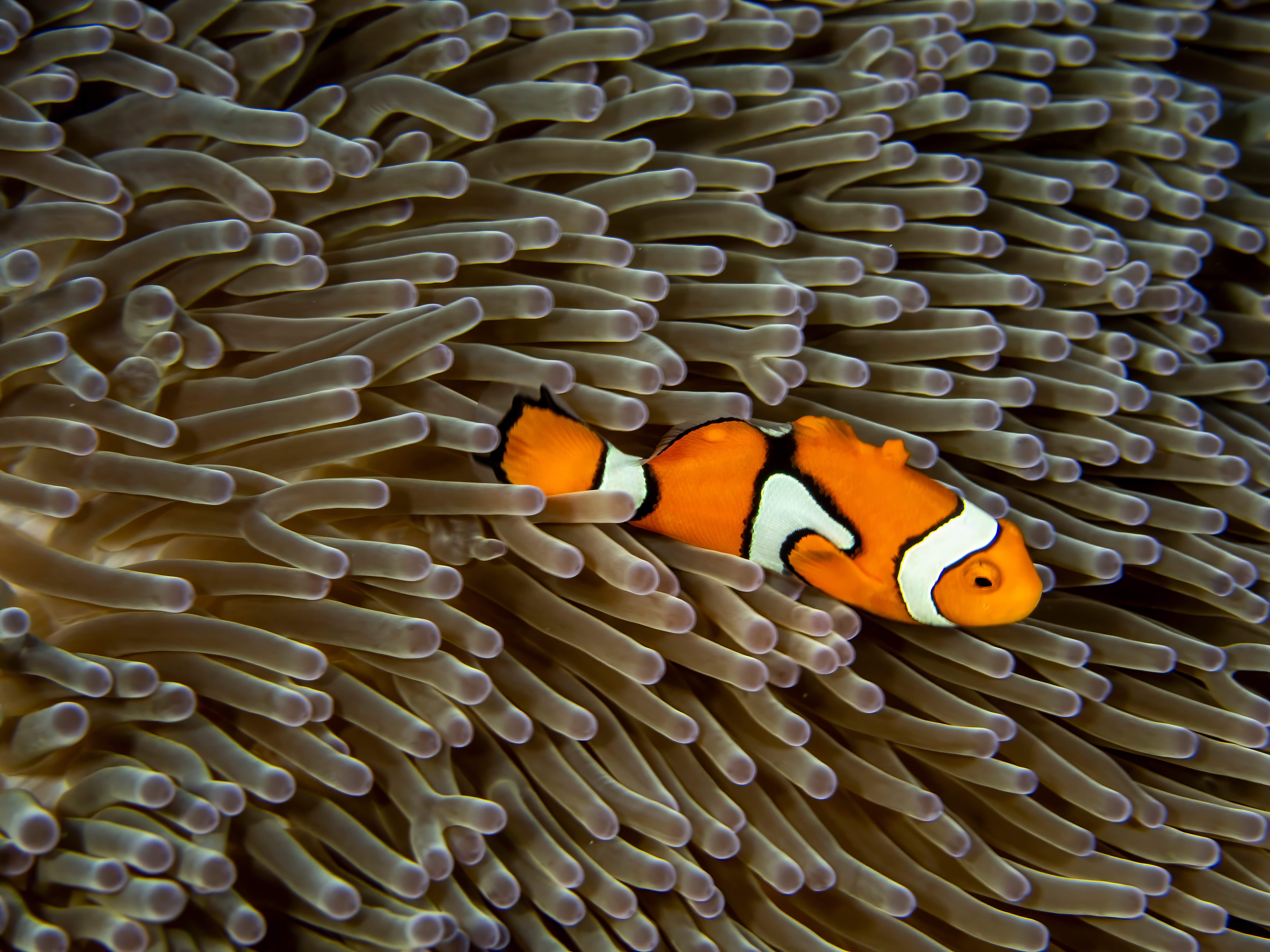
Dr. Amit Lotan, a marine biologist and co-founder of Safe Sea, was the first scientist to successfully culture the complete life cycle of Rhopilema nomadica (the jellyfish responsible for major Mediterranean swarms). His research revealed a crucial insight: Clownfish live safely among venomous sea anemones (cousins to jellyfish) because they have a protective coating.
How Safe Sea Works
Safe Sea utilizes this same biological principle to protect humans. It is the world’s only clinically proven jellyfish sting prevention sun cream.
-
Mimics protection: It copies the proteins jellyfish use to recognize “self,” effectively making your skin invisible to the jellyfish.
-
Blocks sensors: It chemically blocks the sensors that trigger the stinging cells.
-
Slippery texture: It creates a hydrophobic layer that makes it difficult for tentacles to stick to the skin.
Safe Sea is proven 82% effective in real-world ocean conditions.
[Shop Safe Sea Sting Protection & Sunscreen Here]
Quick Summary: Jellyfish Facts
-
Age: Older than dinosaurs (500+ million years).
-
Composition: 95-99% water.
-
Anatomy: No brain, heart, or bones.
-
Speed: The stinging mechanism fires at 5 million times the force of gravity (faster than a bullet).
-
Size: The largest species can have tentacles up to 15 meters long.
Stay Safe and Enjoy the Ocean
Now that you understand the complex life of these simple creatures, you can make informed decisions about ocean safety. Whether you are snorkeling, diving, or swimming with family, preparation is key.
Ready to protect yourself from jellyfish stings? [Explore Safe Sea’s clinically proven protection →]
About the Author: Dr. Amit Lotan is a marine biologist and co-founder of Safe Sea. He was the first scientist to successfully culture the complete life cycle of Mediterranean jellyfish and has published groundbreaking research in Nature magazine on jellyfish biology and stinging mechanisms.